














North African Football's Impact: From Egypt to Morocco
Segment Spotlight: Quick Hits From Football Nation
North African Football: A Powerhouse on the Continent and Beyond
The Union of North African Football, comprising Morocco, Algeria, Tunisia, Libya, and Egypt, is a dominant force in African football. This region, stretching from Morocco in the west to Egypt in the east, boasts a strong historical track record in the sport, particularly noted at the Africa Cup of Nations where Egypt holds the leading record. Moroccan teams, on the other hand, have had significant showings at the World Cup, drawing pride across the continent.
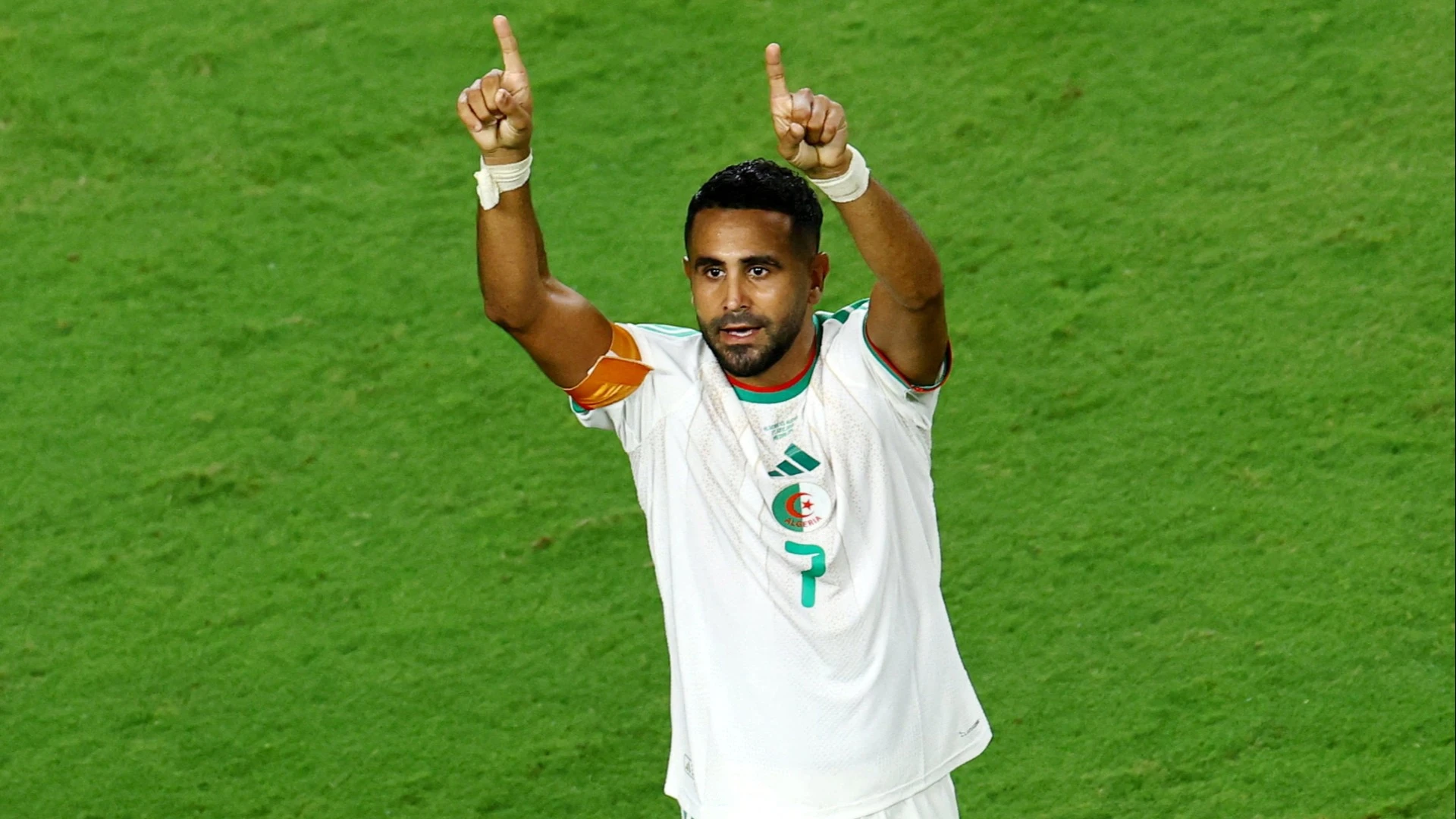
The representation of all five national teams at the FIFA World Cup in Qatar, and especially Morocco's historic achievements, has brought immense pride to the region. At the club level, teams from Egypt, Morocco, and Tunisia have frequently dominated the CAF Champions League, highlighting the area’s capability to nurture world-class talent such as Algeria's Riyad Mahrez, Morocco's Ashraf Hakimi, and Egypt's Mohammed Salah.
North Africa's football success is also facilitated by its geographical proximity to Europe, allowing an easier permeation of football culture. Influential French coaches like Henri Michel, Roger Le Maire, and Alain Giresse have all contributed to Tunisia's football development. Additionally, the cultural and migration ties with France have created a symbiotic relationship that benefits both regions' footballing landscapes. Players with North African roots are a common sight in France's top teams, while many North African stars hold French citizenship.
The region’s football infrastructure is robust, with well-financed clubs and strong domestic leagues backed by a vibrant supporter culture. Egypt’s Al Ahli, in particular, has been likened to Real Madrid in terms of success in the CAF Champions League, holding a record twelve titles. Since 2016, no team outside the Union of North African Football has won the CAF Champions League, underscoring the region's stronghold in African club football.
Despite historical security challenges and political instability, North Africa is gaining increasing international trust, evidenced by Morocco's selection as one of the co-hosts for the 2030 World Cup. Moreover, Morocco is advancing in women's football, having created a domestic league in 2001 and successfully hosted the Women's Africa Cup of Nations in 2022. Their participation in the World Cup, reaching the knockout stages in 2023, marks significant progress.
The region's growing football prominence is not just about creating international stars but also reflects in leadership roles like Moroccan Fuzi Lekjaa’s position as the first vice president of CAF and a key figure in the Morocco-Spain-Portugal 2030 World Cup bid. These developments underscore the integral role of football in North African society and its rising influence on the global stage.



BETTING NEWS
FUTURES